
Hanuma Vihari criticises Shubman Gill's ODI captaincy after India lose England series 2-1
Former India batter Hanuma Vihari has publicly faulted Shubman Gill’s on-field leadership after India lost the July 2026 ODI series in England 2-1. The criticism centres on bowling changes with a thin attack at Lord’s and the decision to leave wrist-spinner Kuldeep Yadav out of the entire series.
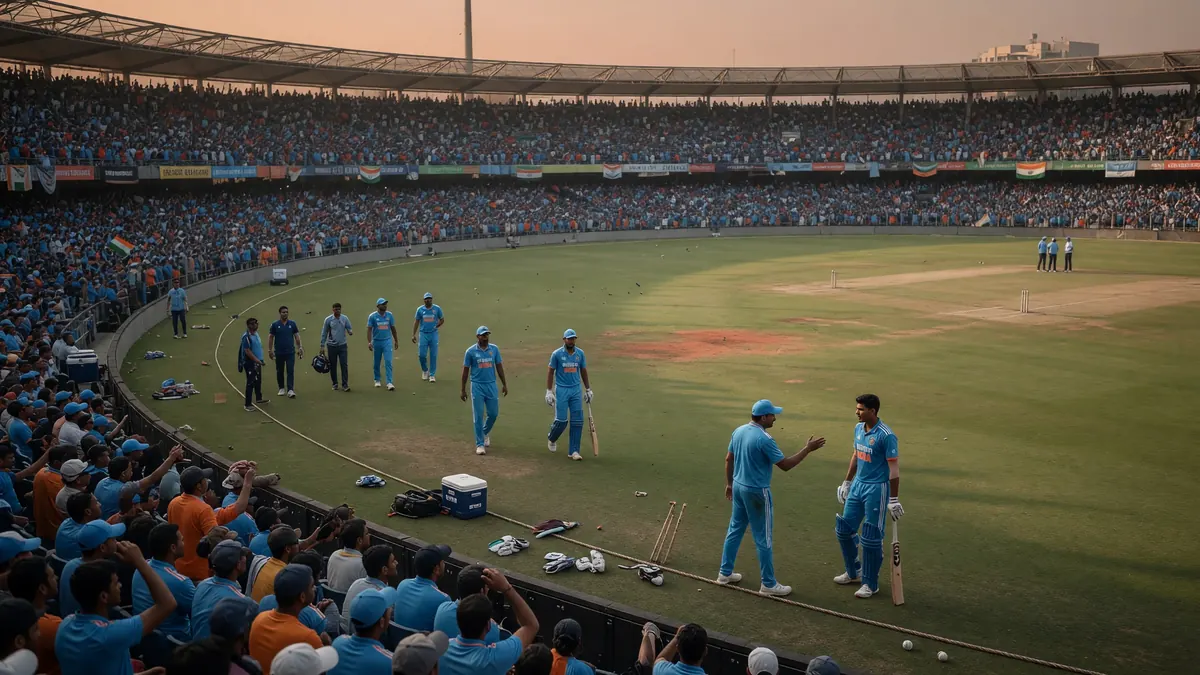
Key points
- How the England ODI series sat inside India’s recent 50-over results
- What Gill’s attack looked like in the Lord’s decider
- What Vihari said about bowling changes and field placement
- Why the Kuldeep omission became the loudest selection call
- Gill’s ODI captaincy ledger so far
- What fantasy users should take from a captaincy storm
- What to watch next in India’s white-ball planning
- Questions readers are asking
How the England ODI series sat inside India’s recent 50-over results
India left England with a 2-1 ODI series defeat in July 2026. That result did not arrive in isolation. The same tour already carried a 4-0 T20I whitewash, and India had earlier been swept 2-0 by Ireland in a 50-over bilateral. Stacked together, the three outcomes form a clear sequence rather than three separate footnotes.
Series defeats travel differently for a young captain than for a settled one. Gill remains India’s leading run-getter in several of these matches, so the batting half of the conversation rarely turns sour. The questions sit in the field: how many bowling options he trusts, how quickly he rotates them, and whether selection ahead of a series locks him into rigid plans once the pitch starts talking.
England’s 50-over side is not a soft benchmark. Home conditions still reward disciplined new-ball spells and mid-innings control, and a chasing or defending total around 350-plus leaves little margin for a green bowling group. That is the backdrop against which Vihari chose to speak.
What Gill’s attack looked like in the Lord’s decider
The third ODI at Lord’s became the series decider. Jasprit Bumrah had already been ruled out with a knee injury, so India walked out without their primary strike bowler. Gill fielded four pacers and five genuine bowling options in total: Prince Yadav, Gurnoor Brar, Prasidh Krishna and Arshdeep Singh among the seamers, with the fifth bowling slot filled inside that five-option structure.
England posted 387. India fell short by 27 runs. A total of that size does not automatically convict a captain, but it does expose how little room a five-bowler side has once one option leaks. Without a sixth specialist to hide overs behind, every change is public, every failed over is expensive, and the captain’s timing becomes the story as much as the bowlers’ execution.
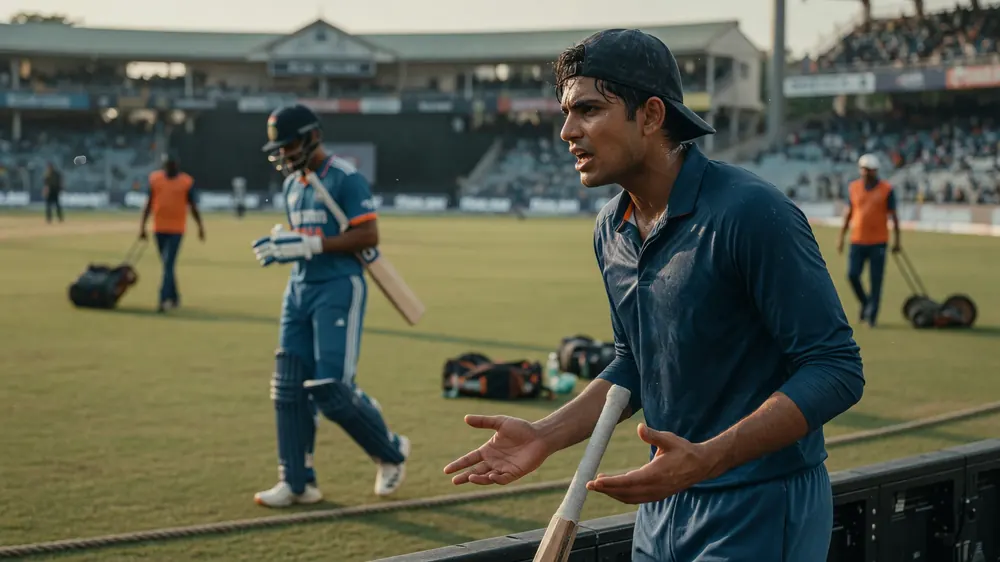
The seam group itself was young by India’s recent ODI standards. Prince Yadav and Gurnoor Brar are still building international overs. Prasidh Krishna brings height and bounce but has been in and out of white-ball sides. Arshdeep Singh offers left-arm variety and death-over experience, yet even he benefits from a senior partner at the other end. Remove Bumrah from that mix and the hierarchy flattens overnight.
What Vihari said about bowling changes and field placement
Speaking on his YouTube channel, Hanuma Vihari argued that Gill struggled with bowling changes while working with only five bowlers. He separated the batting conversation from the leadership one: Gill’s own form with the bat, he said, has been outstanding, but captaincy and field placement still need clear improvement.
Vihari’s core claim is operational rather than personal. With five bowlers, every over is a decision. Get the change wrong and there is no spare specialist waiting at fine leg.
That distinction matters for readers who only skim headlines. Calling someone a “poor captain” is a binary label. Vihari’s reported critique is more specific: bowling-change timing under pressure, field geometry on a high-scoring day, and whether experience should have been preferred over youth once the series reached a decider on a slow Lord’s surface.
Field placement is the quieter half of the argument. In ODIs north of 350, captains either choke boundaries early with catchers in the ring or accept that deep square and long-on will leak singles until a wicket arrives. Getting that balance wrong for three or four overs can add 20 runs that later look like the entire margin of a 27-run defeat.
None of this means Gill alone “lost” the series. Bowlers still have to hit lengths. Batters still have to finish chases. But once a former India batter puts the captaincy process on record, selectors and coaches are forced to answer the process question in public, not only the scoreboard question.
Why the Kuldeep omission became the loudest selection call
Vihari called leaving wrist-spinner Kuldeep Yadav out of the entire series a “shocker.” His reasoning was pitch-led. Lord’s, he said, played slow and dry, the kind of surface where a quality wrist-spinner can break partnerships in the middle overs. England spinner Jacob Bethell turned the contest with the ball, which Vihari used as evidence that spin was not a luxury option on the day.
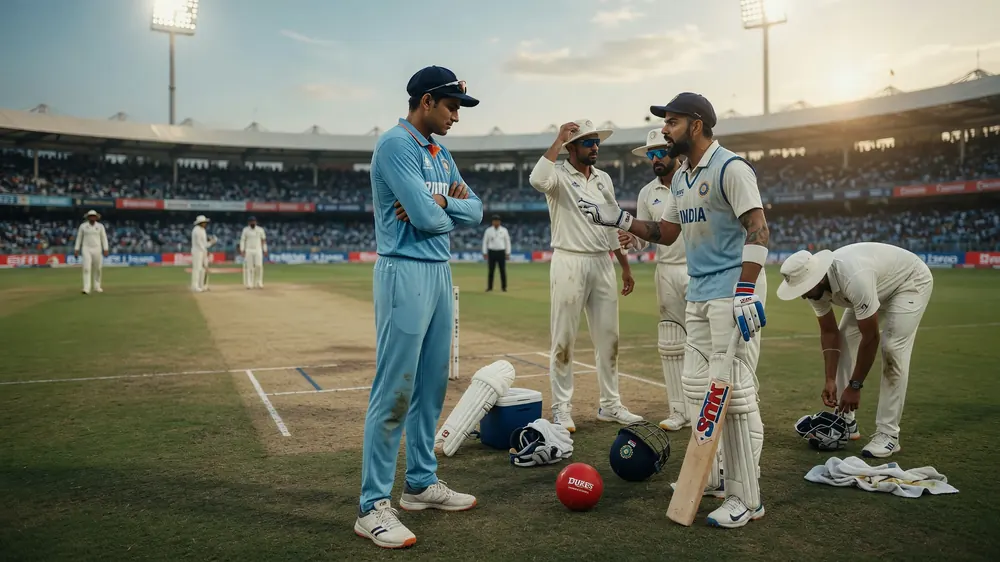
There is a longer planning angle underneath the one-match complaint. Vihari argued that experience should trump youth when India build an ODI core toward World Cup cycles. That is a selection philosophy argument as much as a Lord’s match report. Youth development has value on bilateral tours, but a 2-1 series loss stacked on top of other white-ball setbacks tightens the window for pure experimentation.
Kuldeep’s omission also changes how fantasy users read India’s middle overs. Without a frontline wrist-spinner, the fifth bowling option often falls to a part-time off-spinner or a third seamer bowling into the wind. Points distributions shift toward death bowlers and top-order batters, and the differential value of a specialist spinner disappears until he is reselected.
Selection signal for the next ODI block
If Kuldeep returns immediately in the next 50-over assignment, the England omission reads as a tour-specific call. If he stays out while another young seamer keeps a seat, the panel is still prioritising pace depth over wrist-spin control. Fantasy lineups should track the XI sheet, not the noise around it.
Gill’s ODI captaincy ledger so far
The England defeat was India’s third 50-over series loss under Shubman Gill as captain. His only listed ODI series win in the same window is a 3-0 home sweep against Afghanistan. That is a thin win column for a side that expects to contest ICC events from the front of the group stage.
| Series context | Result under Gill | What it stresses |
|---|---|---|
| ODIs in England, July 2026 | Lost 2-1 | Bowling depth without Bumrah; middle-over control |
| T20Is in England, same tour | Lost 4-0 | White-ball continuity across formats |
| ODIs vs Ireland (prior) | Lost 0-2 | Away/neutral fragility in 50-over cricket |
| ODIs vs Afghanistan (home) | Won 3-0 | Home conditions and familiar opposition |
Ledgers are blunt instruments. Afghanistan at home is not England at Lord’s, and Ireland is not a full-strength ICC heavyweight every season. Still, three ODI series losses against one series win is the factual frame inside which Vihari’s comments land. Supporters will point to Gill’s batting output and the missing Bumrah overs. Critics will point to selection rigidity and on-field adjustments. Both threads can be true at once.
For Adda52 readers the practical question is narrower: does a captain under public scrutiny change his risk profile in the next series? Some captains attack harder to reset the narrative. Others tighten fields and bowl percentage lengths. Until the next ODI XI is named, treat captaincy noise as a volatility flag, not as a confirmed tactical shift.
What fantasy users should take from a captaincy storm
Captaincy debates rarely move fantasy points by themselves. They matter when they change who bowls the powerplay, who owns the 41st over, and whether a spinner is trusted for a full 10. After Lord’s, three practical filters are enough.
First, price Bumrah’s availability as a binary switch. When he plays, India’s five-bowler problem softens and death-over ownership concentrates. When he sits, the points scatter across Arshdeep, Prasidh and whoever holds the third seamer role. Do not copy a Bumrah-in template into a Bumrah-out XI.
Second, watch Kuldeep’s next selection more closely than any quote reel. If he returns, middle-over wicket equity moves back to wrist-spin and away from part-time options. If he remains outside the XI, batters facing India in the 12-to-35 over window keep a slightly higher floor.
Third, avoid overreacting to Gill’s personal batting form. Public heat on his captaincy has not, on the available record, been paired with a batting collapse of his own. In fantasy terms he remains a high-floor top-order option until the numbers say otherwise. Captaincy criticism is not a form guide.
For a running file of playing XI notes and injury flags across the same white-ball window, keep an eye on the Adda52 cricket news desk as fresh match reports land.
Contest sizing should stay conservative after a chaotic multi-format tour. Head-to-heads and small leagues punish fewer narrative traps than mega contests built on a single differential seamer who may not even make the next XI. Build one core template around confirmed starters, then spend a smaller stake on the youth-versus-experience selection swing.
What to watch next in India’s white-ball planning
The next meaningful checkpoint is selection for India’s following ODI assignment, not another round of studio debate. Three concrete signals will clarify whether Vihari’s critique changed anything inside the group.
- Kuldeep’s seat in the first-choice XI — reselection would acknowledge the Lord’s surface reading; continued omission would double down on pace-first planning.
- Bumrah’s bowling load when fit — a careful over-limit would show workload protection; a full new-ball-plus-death role would show the side still leans on him as the structure of the attack.
- Who holds the fourth seamer role — retaining both Prince Yadav and Gurnoor Brar keeps the youth project alive; swapping one for a calmer international over-bowler would answer the experience argument directly.
Until those names appear on an official team sheet, treat the captaincy conversation as context rather than a confirmed tactical rewrite. Scoreboards from the England ODIs are settled. The selection response is not.
Build your next Adda52 XI with clearer role reads
Track confirmed starters, spinner seats and death-over ownership before contests lock.